
Introducing the Collaboration Dashboard
Companies now have a dedicated command center for managing their collaborative network. The new Collaboration Dashboard provides a high-level overview of how passengers are moving (or getting stuck) within your company and/or partnership.
We've introduced a new documentation page to cover the Collaboration Dashboard. You can read it here.
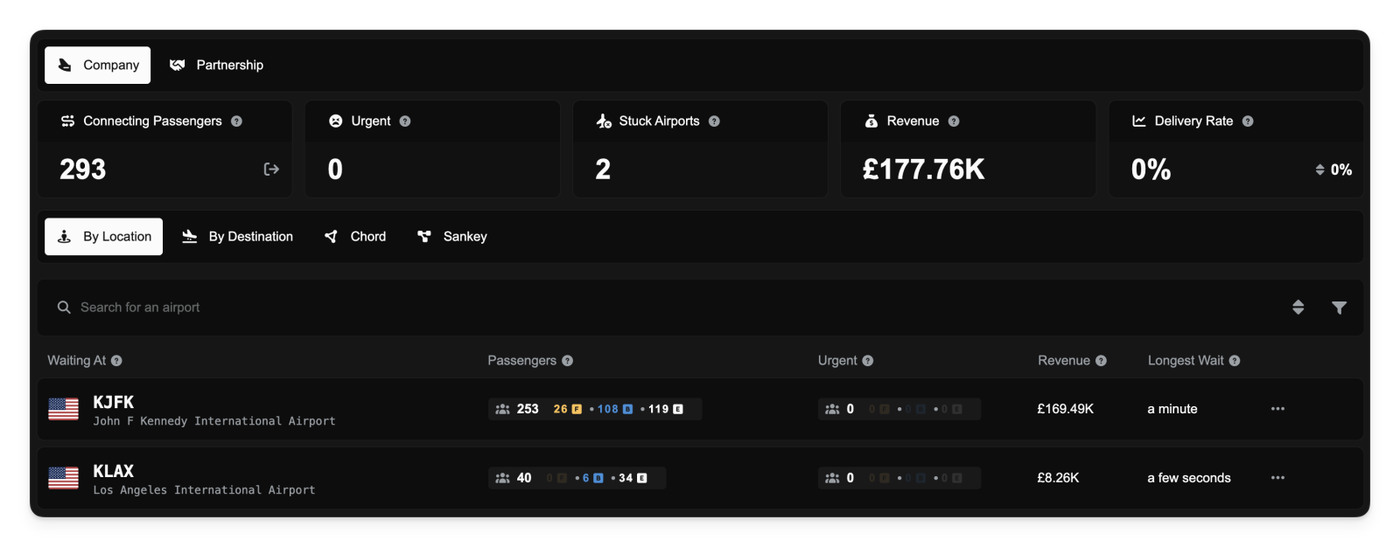
The dashboard highlights key performance indicators such as Delivery Rate (how effectively you are moving passengers) and Stuck Airports (bottlenecks where passengers are piling up). You can switch between viewing data for your specific company or the entire partnership to gauge overall health.
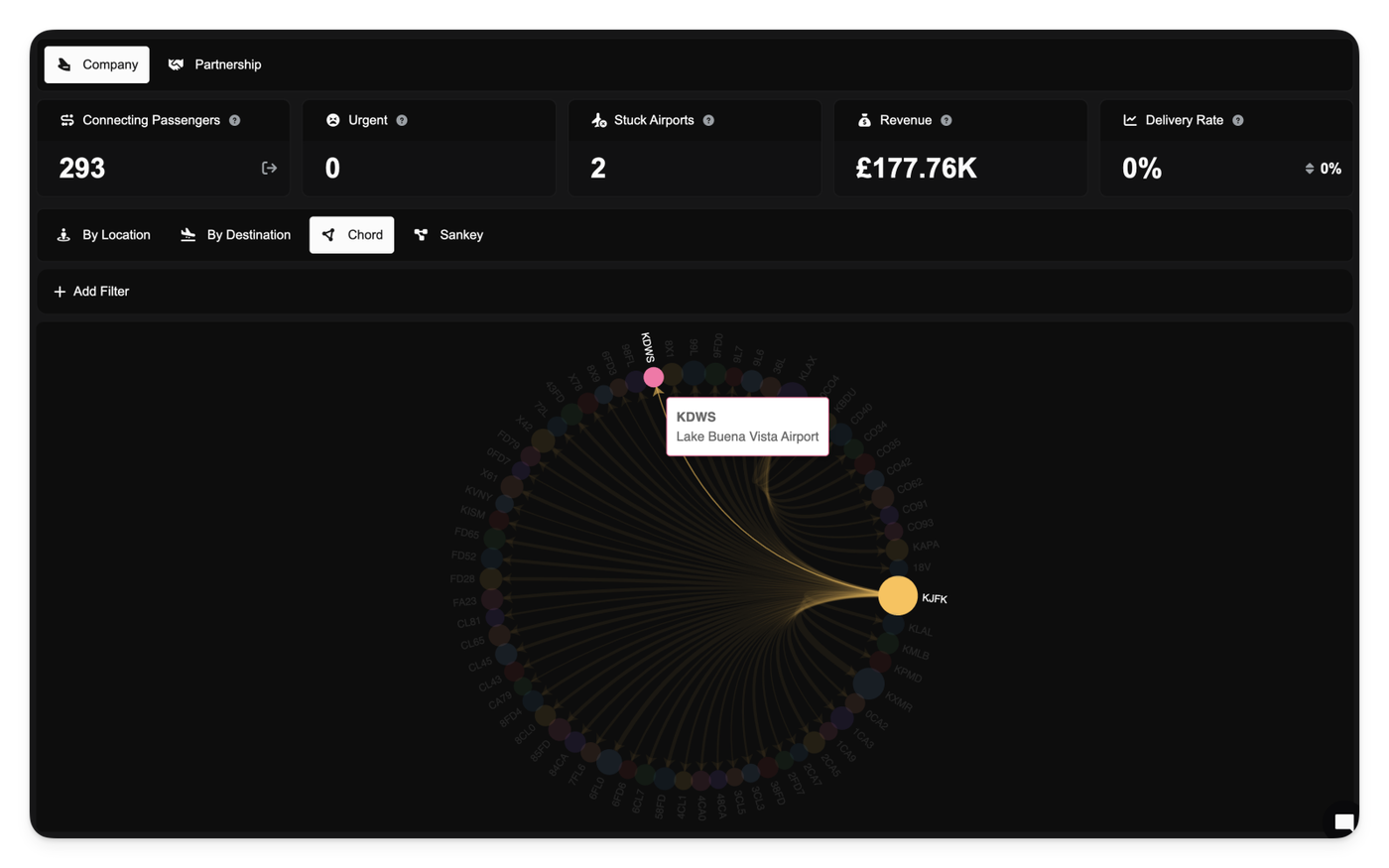
A new Flows view visualizes the movement of collaborative demand across the network, helping you identify high-traffic routes at a glance. Additionally, the Partner Share tab breaks down contributions, showing exactly how much demand and potential revenue each partner is bringing to the table.
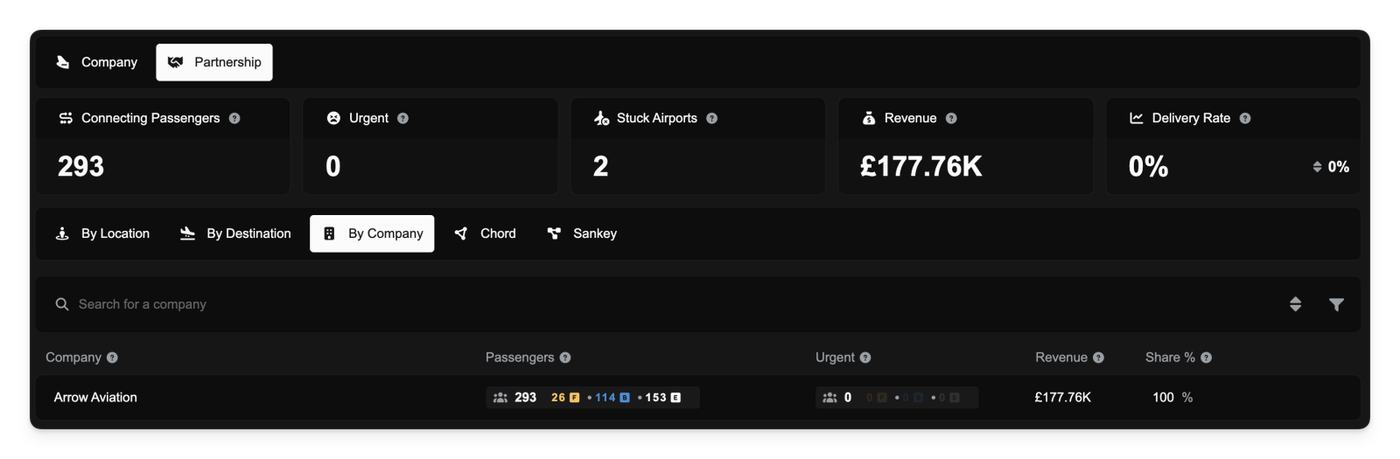
Note: Before this update there was no mechanism to attribute the company that introduced collaborative demand into the partnership and as such all collaborative demand is assigned to the lead partner. Going forward all new collaborative demand will be correctly attributed to the correct company.
Releasing Collaborative Demand
Sometimes your network can't handle the load, and passengers are left waiting too long. You now have the ability to release collaborative demand back to the public pool.
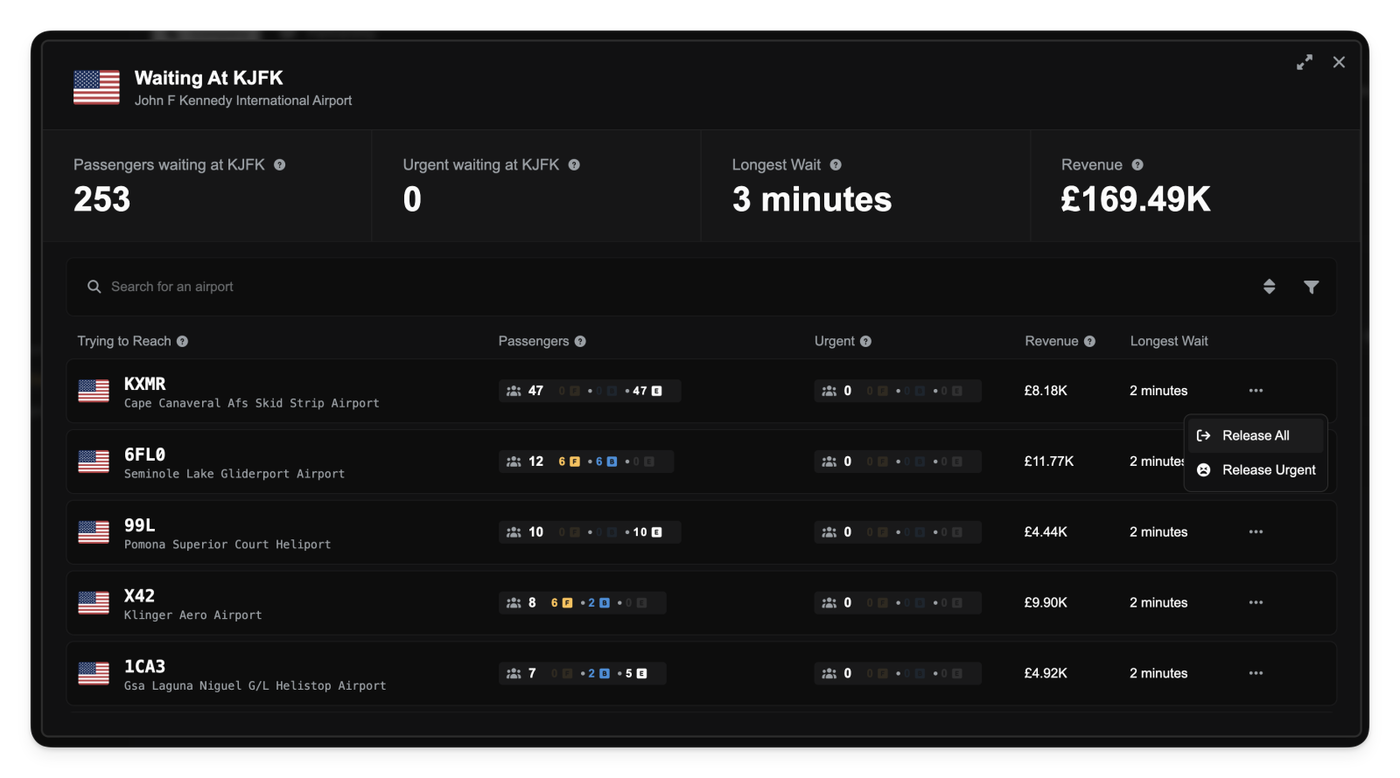
You can choose to release All Demand or specifically Urgent Demand (passengers who have been waiting past the 14-day threshold). This can be done globally from the dashboard overview or granularly for specific airports or routes via the detailed airport dialogs.
Releasing demand ensures that passengers aren't stranded indefinitely in your system if you lack the capacity to fly them, protecting your reputation (soon to be implemented) and allowing other operators to pick them up.
Targeting Stuck Passengers
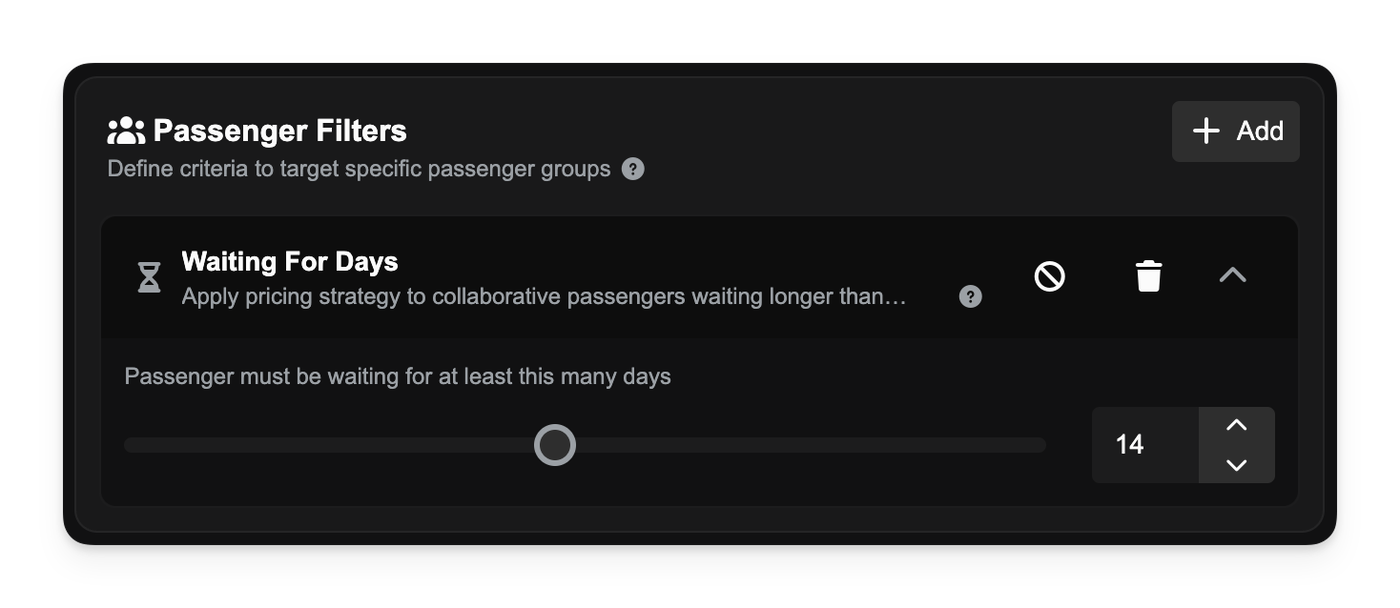
A new filter is available in your Pricing Strategies to help move stagnant demand.
The Waiting For Days filter allows you to apply specific pricing rules (such as aggressive discounts) to collaborative passengers who have been waiting longer than a set number of days. This helps prioritise clearing older demand from your system without manually intervening on every route.
Other Changes
- Collaborative demand originally created by your company is now tracked and returned to your internal audience if you leave a partnership.